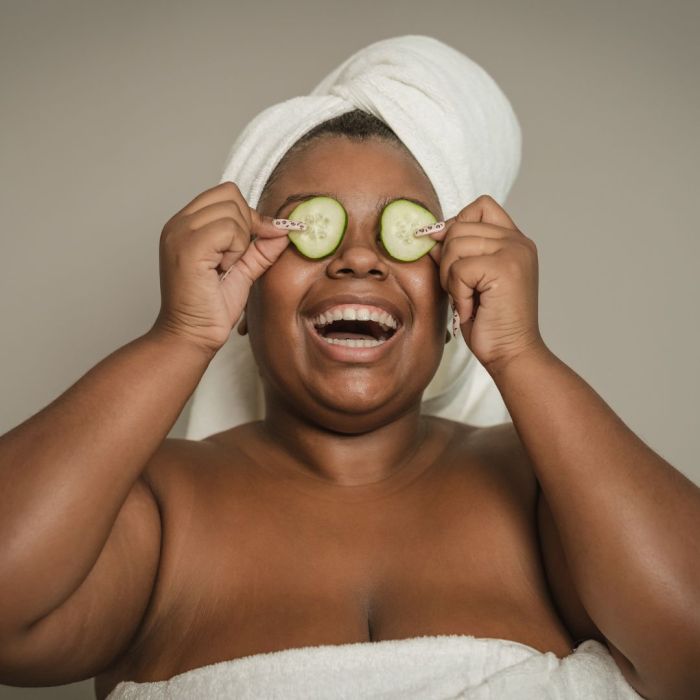
Self-care routines for women play a pivotal role in maintaining not just physical health but also mental and emotional balance. In our fast-paced world, women often juggle numerous responsibilities, making it crucial to carve out time for self-care. This journey into self-care isn’t merely about indulgence; it’s an essential practice that fosters resilience, empowerment, and wellness, tailored specifically to the unique challenges women face.
From the significance of nurturing one’s mental health to practical tips for incorporating self-care into daily life, this guide delves into various routines that can elevate well-being. It also addresses barriers that may hinder women from prioritizing their own care, ultimately leading to a healthier, happier life.
Self-care Routines Overview
Self-care routines are essential practices that actively promote mental, emotional, and physical well-being, especially for women who often juggle numerous roles and responsibilities. Amidst the chaos of daily life, prioritizing self-care becomes a vital aspect of maintaining balance and harmony. By implementing effective self-care routines, women can enhance their resilience, boost their mood, and improve their overall health.Establishing a self-care routine can be challenging for women due to various barriers.
Common obstacles include time constraints, societal expectations, and feelings of guilt for taking time for oneself. Many women feel pressured to prioritize the needs of family and work over their own, leading to neglect of personal well-being. Recognizing these barriers is the first step in overcoming them, allowing women to reclaim self-care as a non-negotiable part of their lives.
Importance of Self-care Routines
Self-care routines serve multiple purposes, fostering better health and well-being. They offer an opportunity for women to reconnect with themselves and manage stress effectively. The following practices can be integrated into self-care routines to promote overall health:
- Physical Activity: Regular exercise not only benefits physical health but also enhances mental clarity and emotional stability. Activities like yoga, dancing, or brisk walking can be both enjoyable and therapeutic.
- Mindfulness and Meditation: Incorporating mindfulness techniques helps reduce anxiety and cultivates a sense of presence. Simple breathing exercises or guided meditations can be practiced daily.
- Healthy Nutrition: A balanced diet is crucial for maintaining energy levels and emotional well-being. Preparing nutritious meals and staying hydrated can significantly affect mood and vitality.
- Quality Sleep: Prioritizing restful sleep is essential for rejuvenation. Establishing a calming bedtime routine can improve sleep quality and enhance overall health.
- Creative Outlets: Engaging in hobbies such as painting, writing, or crafting can be a powerful form of self-expression and stress relief.
“Self-care is not a luxury, it is a necessity for emotional and physical health.”
Implementing these self-care practices into daily routines can lead to profound improvements in women’s quality of life. Addressing personal needs and prioritizing wellness fosters resilience, allowing women to face challenges with greater strength and clarity.
Integrating Self-care with Health Practices

Self-care is not just about pampering oneself; it’s a crucial part of maintaining overall health and well-being, particularly for women. By integrating self-care into health practices, one can enhance both mental and physical health. This connection fosters a holistic approach, ensuring that individuals not only feel good emotionally but also thrive physically.Self-care routines significantly contribute to mental health by reducing stress, anxiety, and depression.
Engaging in self-care activities allows for a dedicated time to unwind, reflect, and rejuvenate, leading to enhanced mental clarity and resilience. Furthermore, positive mental health directly influences physical health, as stress reduction can lead to lower blood pressure, improved sleep quality, and even a stronger immune system.
Self-care Activities for Physical Health Improvement
Incorporating self-care activities into daily life can significantly boost physical health. Here are some key activities that promote well-being:
- Regular Exercise: Engaging in physical activities such as yoga, running, or swimming not only improves cardiovascular health but also enhances mood through the release of endorphins.
- Balanced Nutrition: Meal prepping and choosing whole, nutrient-dense foods can transform dietary habits and improve energy levels.
- Mindful Eating: Taking the time to appreciate meals and understand hunger cues can lead to healthier eating patterns and prevent overeating.
- Sufficient Hydration: Drinking enough water throughout the day supports digestion, skin health, and overall bodily functions.
- Quality Sleep: Establishing a nighttime routine that promotes restful sleep is essential for recovery and mental clarity.
- Regular Health Check-ups: Scheduling routine visits to healthcare providers helps in early detection and management of potential health issues.
Incorporating self-care practices into daily routines can enhance nutrition and fitness. Here are some effective methods:
Methods for Incorporating Self-care into Daily Routines
Establishing a self-care routine that incorporates nutrition and fitness can be transformative. Here are practical approaches to achieve this:
- Morning Stretching: Begin each day with a short stretching routine to wake up the body and mind, promoting flexibility and reducing stress.
- Meal Planning: Set aside time each week to plan healthy meals. This avoids last-minute unhealthy choices and encourages balanced eating.
- Scheduled Workouts: Treat exercise like an important appointment. Schedule regular workout times in the calendar to ensure consistency.
- Mindfulness Practices: Incorporate mindfulness techniques, such as meditation or deep breathing exercises, to enhance focus on health and wellness throughout the day.
- Journaling: Keep a health journal to track food intake, exercise routines, and emotional health, helping to identify patterns and areas for improvement.
“Integrating self-care practices into health routines empowers women to take charge of their mental and physical well-being, fostering resilience and vitality.”
Specialized Self-care for Women
Self-care is a vital aspect of women’s health, particularly as it varies across different life stages. Each stage brings unique challenges and changes that can impact physical and emotional well-being. Having tailored self-care routines can provide significant support, helping women navigate transitions more smoothly.Specialized self-care routines can be particularly beneficial during significant life stages such as pregnancy, postpartum recovery, and menopause.
These routines not only address physical health but also incorporate mental and emotional wellness practices. Additionally, alternative treatments can complement traditional healthcare approaches, offering holistic support for various conditions and diseases that predominantly affect women.
Self-care Routines for Different Life Stages
Understanding the unique needs that arise during various life stages helps in designing effective self-care routines. Below is a table outlining specific self-care practices tailored for women at different stages:
| Life Stage | Self-care Practices |
|---|---|
| Pregnancy |
|
| Postpartum |
|
| Menopause |
|
Alternative Treatments Complementing Traditional Healthcare
Alternative treatments can play a critical role in enhancing traditional healthcare by providing additional support and options for various health issues. Many women find that integrating these approaches into their self-care routines can improve overall health outcomes. Some noteworthy options include:
- Acupuncture for pain relief and stress reduction.
- Aromatherapy using essential oils to manage anxiety and improve mood.
- Herbal supplements like black cohosh for menopausal symptoms.
- Yoga and tai chi for both physical and mental relaxation.
Self-care Practices for Specific Conditions
Certain conditions and diseases affect women more frequently, necessitating targeted self-care practices. Recognizing these conditions allows women to take proactive steps toward their health. Here are practices tailored for prevalent issues:
-
Polycystic Ovary Syndrome (PCOS):
Maintaining a balanced diet low in refined sugars, regular physical activity, and stress management techniques can significantly help in managing symptoms of PCOS.
-
Breast Health:
Regular self-exams and mammograms are crucial. Incorporating a diet rich in antioxidants and healthy fats may also support overall breast health.
-
Depression and Anxiety:
Mindfulness practices, therapy, and support groups are essential components in managing mental health. Regular physical activity and healthy sleep practices can further enhance emotional well-being.
-
Autoimmune Diseases:
Tailoring dietary choices to reduce inflammation, alongside regular medical guidance, ensures women can effectively manage symptoms and flare-ups.
Ending Remarks
In conclusion, embracing self-care routines is not just a luxury but a necessity for women at all stages of life. By integrating these practices into daily habits, women can enhance their physical health, improve mental clarity, and foster emotional resilience. Remember, self-care is about giving yourself permission to thrive and prioritize your well-being, which can transform your life in remarkable ways.
FAQ Corner
What are some simple self-care activities for busy women?
Simple activities include taking short breaks for mindfulness, enjoying a warm bath, or setting aside time for reading or hobbies.
How can self-care impact mental health?
Self-care can reduce stress, enhance mood, and lead to a greater sense of control over one’s life, thereby improving overall mental health.
Are there self-care routines specific to different life stages?
Yes, self-care routines can be tailored for various life stages such as pregnancy, postpartum, and menopause, addressing specific needs and challenges.
How often should I practice self-care?
It’s beneficial to incorporate self-care into your routine daily, even if it’s just for a few minutes, to maintain balance and well-being.
What barriers do women face in practicing self-care?
Common barriers include time constraints, guilt over taking time for oneself, and prioritizing others’ needs over their own.


