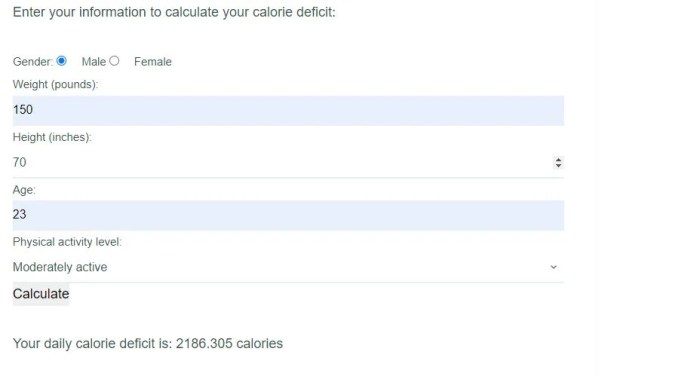
Calorie deficit calculator serves as a vital tool for anyone looking to shed pounds and improve their overall fitness. By understanding how many calories you need to consume and how many you should burn, you can achieve your weight loss goals more efficiently. This engaging narrative will delve into what a calorie deficit calculator is, how it works, and its importance in your weight management journey.
Whether you’re using online tools or doing manual calculations, knowing how to effectively create a calorie deficit can make all the difference. We’ll explore the relationship between nutrition and caloric intake, highlighting common pitfalls and how various diets impact your calculations. Plus, we’ll touch on the broader implications for your health and wellness.
Understanding Calorie Deficit Calculators
Calorie deficit calculators are essential tools for individuals aiming to lose weight, gain muscle, or improve their overall fitness. These calculators help users determine the number of calories they should consume each day to achieve their specific health goals efficiently. By understanding how a calorie deficit works, users can make informed dietary choices that align with their fitness aspirations.A calorie deficit occurs when the number of calories consumed through food and beverages is less than the number of calories expended through physical activity and bodily functions.
This imbalance is crucial for weight loss since it forces the body to utilize stored fat for energy, thereby facilitating fat reduction. For those looking to achieve fitness goals, maintaining a calorie deficit can lead to a leaner physique, improved endurance, and better overall health.
Methods to Calculate Calorie Deficits
There are several effective methods for calculating calorie deficits, which can be categorized into online tools and manual calculations. Each method has its pros and cons, but they all aim to help individuals understand their daily caloric needs.Online tools are widely available and offer a quick way to estimate calorie requirements. These calculators typically ask for basic information such as age, sex, weight, height, and activity level.
The output is an estimate of daily calorie needs, which can be adjusted based on desired weight loss goals.Manual calculations involve a more hands-on approach, allowing users to tailor their caloric intake based on specific needs. The most common formula used is the Mifflin-St Jeor Equation, which calculates Basal Metabolic Rate (BMR)—the number of calories the body needs at rest.
The formula is as follows:
For Men: BMR = 10 × weight(kg) + 6.25 × height(cm)
5 × age(years) + 5
For Women: BMR = 10 × weight(kg) + 6.25 × height(cm)
- 5 × age(years)
- 161
Once BMR is calculated, users factor in their activity level using the Total Daily Energy Expenditure (TDEE) formula, which can be determined by multiplying BMR by an activity factor ranging from 1.2 (sedentary) to 1.9 (very active). Understanding these calculations is essential because they empower individuals to set realistic caloric goals. By establishing a safe calorie deficit, typically ranging from 500 to 1000 calories per day, one can aim for a weight loss of about 1 to 2 pounds per week, which is considered healthy and sustainable.
Overall, both online and manual methods for calculating calorie deficits can guide individuals on their weight loss journeys, providing them with the necessary information to make effective dietary adjustments.
Relationship Between Nutrition and Caloric Intake
Understanding the connection between nutrition and caloric intake is essential for anyone aiming to achieve a calorie deficit. A calorie deficit occurs when you consume fewer calories than your body needs to maintain its current weight, which can lead to weight loss. However, the quality of those calories matters just as much as the quantity. Balancing macronutrients—proteins, fats, and carbohydrates—plays a critical role in how effectively your body functions while under a caloric restriction.Maintaining a proper macronutrient balance during a calorie deficit ensures that your body receives the necessary nutrients to support metabolism, energy levels, and overall health.
It’s important to not only focus on calorie reduction but also on providing adequate macronutrients to prevent muscle loss and nutrient deficiencies.
Macronutrient Balance in a Calorie Deficit
A well-rounded diet during a calorie deficit should ideally include a mix of macronutrients. This balance helps in maintaining muscle mass, supporting metabolic functions, and ensuring energy availability. Here’s a general breakdown of how macronutrients should be balanced:
- Proteins: Essential for muscle repair and growth. Aim for about 25-30% of your daily caloric intake from protein sources such as lean meats, fish, legumes, and dairy.
- Fats: Vital for hormone production and nutrient absorption. Healthy fats should constitute around 20-30% of your daily intake, including sources like avocados, nuts, seeds, and olive oil.
- Carbohydrates: The body’s primary energy source. Carbs should make up approximately 40-55% of your caloric intake, focusing on whole grains, fruits, and vegetables for fiber and nutrients.
Implementing this macronutrient balance can help reduce common pitfalls associated with calorie deficits, ensuring sustainable weight loss and better health outcomes.
Nutritional Mistakes During Calorie Deficit Regimen
While aiming for a calorie deficit, individuals often make nutritional mistakes that can hinder their progress or lead to unhealthy dieting practices. A few common mistakes include:
- Neglecting Nutrient Density: Focusing solely on calorie count without considering the nutritional value can lead to deficiencies. For example, choosing low-calorie processed foods over whole foods can deprive the body of essential vitamins and minerals.
- Excessive Restriction: Drastically cutting calories can backfire, slowing metabolism and causing cravings. Gradually reducing caloric intake is more effective and sustainable.
- Ignoring Protein: Insufficient protein intake can result in muscle loss. Aiming for a higher protein intake can help preserve muscle mass while losing fat.
- Overemphasizing Fats or Carbs: Some tend to eliminate entire food groups in favor of trends, which can lead to imbalances. A balanced approach is key to nutritional health.
Being aware of these mistakes allows individuals to make informed dietary choices that support their weight loss journey without compromising their health.
Influence of Different Diets on Calorie Deficit Calculations
Various dietary approaches can significantly influence how you calculate and maintain a calorie deficit. Popular diets such as keto and paleo have their unique effects on caloric intake and nutrient ratios:
- Keto Diet: This high-fat, low-carb diet shifts the body’s energy source from glucose to ketones. While it can facilitate weight loss by reducing hunger and stabilizing blood sugar levels, it often requires careful calculation of macronutrient ratios, typically aiming for 70% fats, 25% protein, and 5% carbohydrates.
- Paleo Diet: Encouraging whole foods and eliminating processed items, the paleo diet focuses on lean meats, fruits, vegetables, nuts, and seeds. It can naturally reduce caloric intake due to the exclusion of processed foods, though it requires attention to ensure adequate protein and fat intake.
Understanding how these diets impact your overall caloric intake and the necessary adjustments can help optimize your calorie deficit efforts, leading to more effective weight loss results.
Implications for Health and Wellness
Maintaining a calorie deficit is a common strategy for weight loss and overall health, but it extends beyond mere physical changes. Understanding how this approach impacts mental health, long-term well-being, and its effectiveness across demographics is essential for a holistic view of nutrition and wellness.
Mental Health and Mood Changes
A calorie deficit can influence mental health significantly. Research indicates that when individuals reduce their caloric intake, they may experience fluctuations in mood and emotional well-being. While some may find a sense of accomplishment and improved self-esteem through weight loss, others could face challenges such as irritability, fatigue, or feelings of deprivation. The following points highlight the effects of calorie deficits on mental health:
-
Caloric restriction can lead to changes in neurotransmitter levels, impacting mood regulation.
-
Some individuals report increased anxiety or depression when faced with strict dietary limitations.
-
On the other hand, successful weight loss through a calorie deficit may enhance self-image and confidence.
These contrasting experiences emphasize the importance of a balanced approach to dieting, incorporating nutritious foods that support mental health while achieving weight goals.
Long-Term Health Effects of Calorie Deficit
Sustaining a calorie deficit over extended periods can have both positive and negative health effects. While it can lead to weight loss and improvements in metabolic health, it is crucial to consider potential risks associated with prolonged caloric restriction. Key points regarding the long-term implications of maintaining a calorie deficit include:
-
Excessive calorie restriction can lead to nutrient deficiencies, affecting overall health and immunity.
-
Long-term calorie deficits can result in decreased muscle mass, which may lower metabolic rate over time.
-
However, when combined with proper nutrient intake and physical activity, a moderate calorie deficit can promote sustainable weight management.
These long-term effects underline the need for individuals to adopt a calorie deficit in a thoughtful manner, ensuring they prioritize nutrition and wellness.
Variability in Effectiveness Among Demographics
Different demographics exhibit varying responses to calorie deficit strategies. Women, children, and other groups may face unique challenges and benefits when engaging in caloric reduction. Important considerations include:
-
Women often experience hormonal fluctuations that can complicate weight loss efforts during caloric restriction.
-
Children require adequate nutrition for growth and development, making excessive calorie deficits potentially harmful.
-
Older adults may benefit from a calorie deficit for weight management but must ensure sufficient protein intake to preserve muscle mass.
Recognizing these demographic differences can help tailor calorie deficit strategies that are safe and effective for various populations. This ensures that individuals achieve their health goals while maintaining overall well-being.
End of Discussion

In conclusion, utilizing a calorie deficit calculator can empower you to take charge of your health and fitness goals. By understanding both the science behind calorie deficits and the nutritional aspects that come into play, you’ll be better equipped to make informed decisions. Remember, the journey to a healthier lifestyle is not just about losing weight; it’s about fostering long-term wellness.
Common Queries
What is a calorie deficit?
A calorie deficit occurs when you consume fewer calories than your body needs to maintain its current weight.
How do I calculate my daily caloric needs?
You can calculate your daily caloric needs using formulas like the Harris-Benedict or Mifflin-St Jeor equations, which consider factors like age, gender, weight, and activity level.
Is a calorie deficit safe for everyone?
No, individuals with certain health conditions or those who are pregnant or breastfeeding should consult a healthcare professional before starting a calorie deficit.
Can I still eat my favorite foods while in a calorie deficit?
Yes, you can enjoy your favorite foods, as long as they fit within your daily calorie allowance. Moderation is key!
How long should I maintain a calorie deficit?
The duration of a calorie deficit depends on your personal weight loss goals and overall health. It’s essential to reassess your approach regularly and make adjustments as needed.


